South Carolina
Charleston
"The city that rewards those who put the itinerary down — who let the morning stretch, the afternoon dissolve on Sullivan's Island."
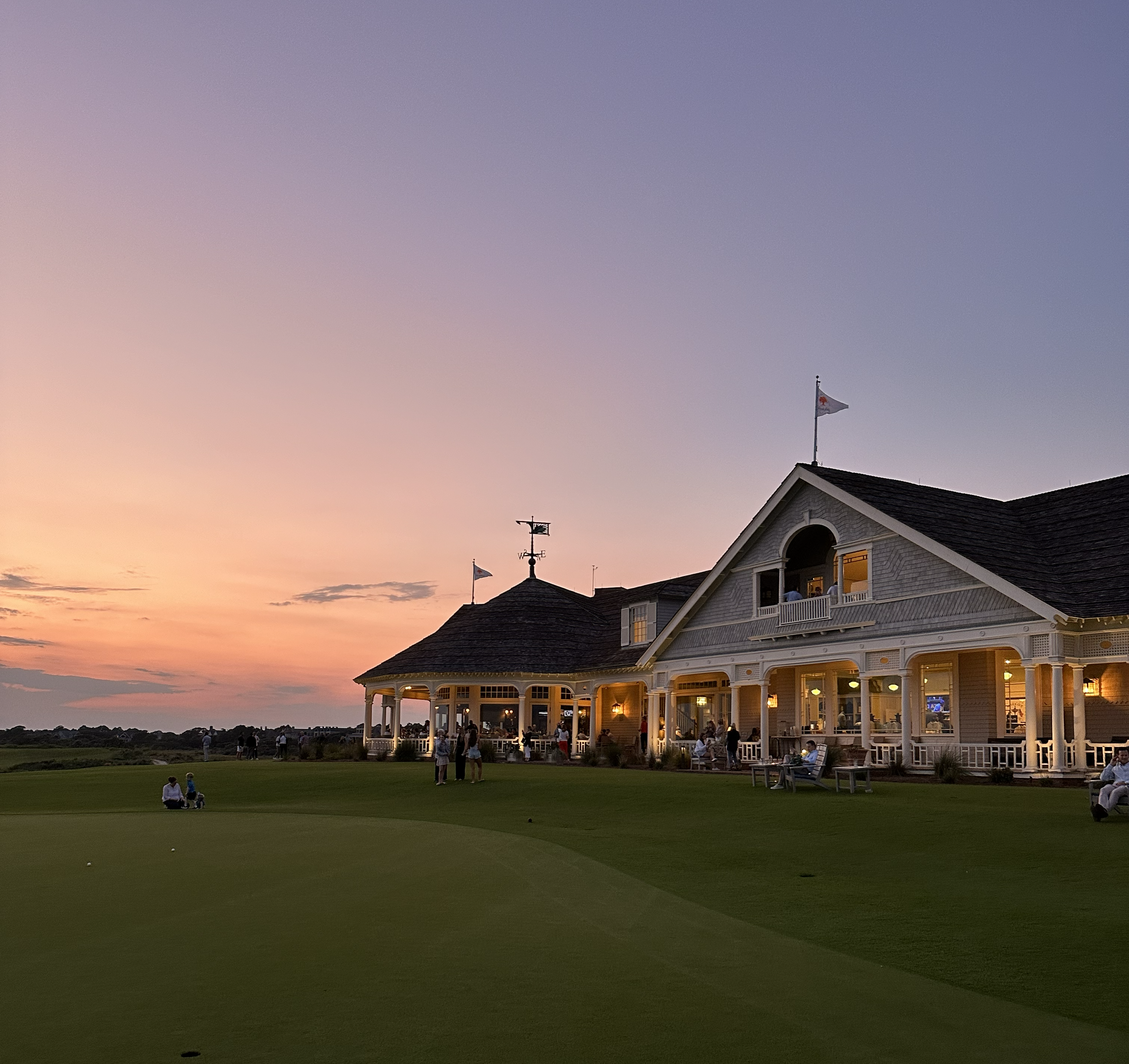 Charleston, South Carolina
"The city that rewards those who put the itinerary down — who let the morning stretch, the afternoon dissolve on Sullivan's Island."
Charleston, South Carolina
"Old Guard meets New South — where century-old oyster traditions share the stage with quiet luxury emerging in Old Village."
Charleston runs on porch time and tidal schedules. Spring through fall is for oyster roasts and sunset walks on Sullivan's Island; winter is for ducking into King Street wine bars and lingering over biscuits at Callie's.
Matt's edit cuts through carriage-tour Charleston to find the evolution happening quietly at its edges — in the restaurants that don't need press, the neighbourhoods that haven't been written up yet, and the hotels where locals actually drink.
The move is to anchor yourself in the French Quarter for the architecture, but let Upper King feed you, where a new generation of chefs is rewriting Lowcountry rules without losing the script.
What most visitors miss"Charleston doesn't reward the itinerary. It rewards the person who puts it down."
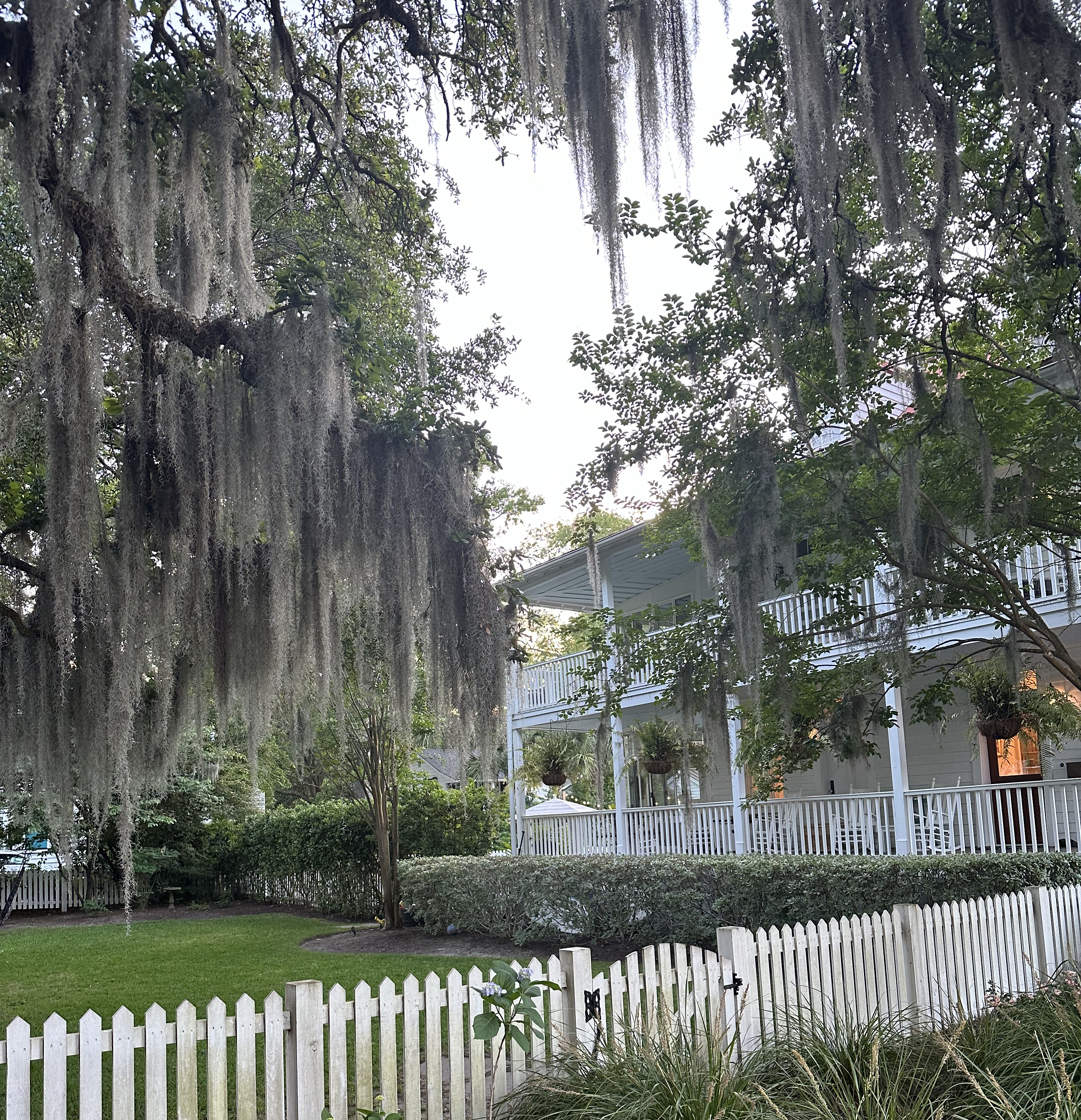 Charleston, South Carolina
The historic core. Church steeples, antebellum architecture, and the streets that define the Charleston postcard. Stay here for the atmosphere — but don't eat here exclusively.
Where Charleston's culinary evolution is happening. The Ordinary, The Macintosh, Xiao Bao Biscuit — this strip rewards the curious more than any other block in the city.
Cross the bridge and find the Charleston that locals actually live in. Post House Inn anchors a neighbourhood of golf carts, porch dinners, and an unhurried pace.
A barrier island where Charleston's story truly began. Uncrowded beaches, the old fort, and a seafood shack that doesn't need a reservation. Go at low tide.
The neighbourhood the design-minded discovered first. Small coffee shops, independent bookstores, and the best breakfast-to-afternoon stretch in the city.
Where the city sheds its tourist identity entirely. Butcher shops, roadside BBQ, and the authentic rhythms of a city that's been here long before the carriage tours.
Settled into a former bank vault on Upper King. Charleston's definitive argument that this city takes its seafood more seriously than anywhere else. The raw bar runs like a precision operation.
Full verdict + 3 more restaurants in the guideThe vibrant social pulse of Old Village. Locals arrive nightly — often by golf cart — drawn by a Michelin-nodded kitchen and a Mount Pleasant sunset. The rhythm here is the real Charleston.
Full verdict + 3 more hotels in the guideThe barrier island where serious golfers go and everyone else discovers what low-key luxury actually looks like. The Sanctuary anchors it, but the beach at dusk earns the drive.
America's oldest landscaped gardens. The rice paddies, butterfly lakes, and rice barn date to 1741. A morning here before the buses is one of the most quietly extraordinary things in the Lowcountry.
The Gullah Geechee coastline. Smaller, slower, and more honest about its history. Spanish moss, tidal creeks, and a seafood lunch that needs no introduction.
Where to stay, where to eat, the daily rituals, and the landmarks worth your time.